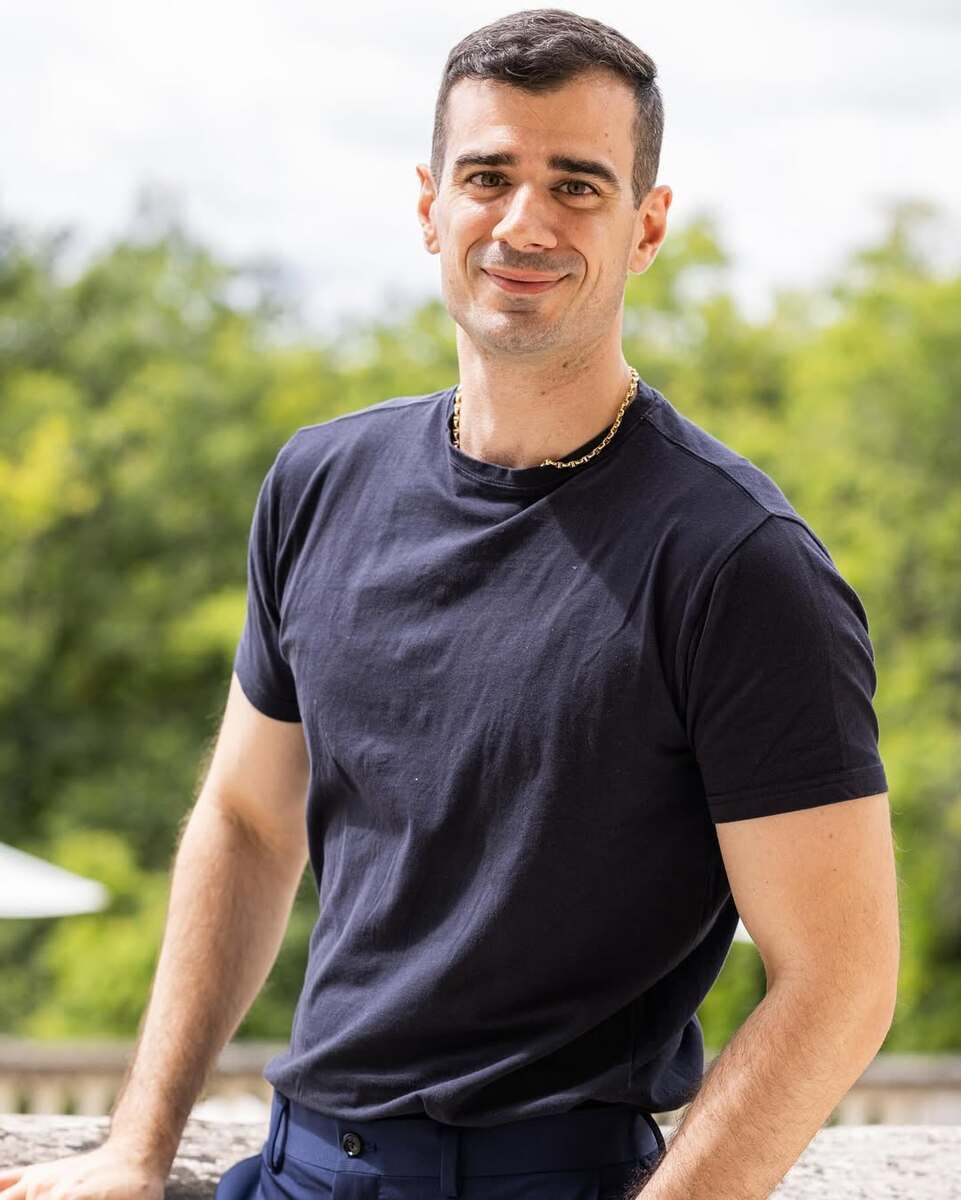

Water is one of our most precious resources — and one of the most taken for granted. That's why we're excited to feature Showerkap, a company on a mission to change how we think about, measure, and use water. Through a blend of smart technology and behavioural science, they're helping hotels and universities cut water and energy waste in ways that feel empowering rather than restrictive. We sat down with Carly Hunt, Head of Strategic Partnerships, to learn more about their work and why the fight against water scarcity matters now more than ever.
Can you introduce yourself, your role, and your organisation?
I’m Carly Hunt, Showerkap’s Head of Strategic Partnerships – my role includes working with organisations to progress water resilience projects and collaborations. Currently we have two trials running of the Showerkap water management system in use, with the Sandman Signature London Gatwick Hotel and the University of Surrey’s student flats.
Formed in 2022, the company fuses engineering, smart-tech and behavioural science in its unique, interactive platform to make water use visible, measurable, manageable and more sustainable for organisations, reducing water and energy waste and CO2 emissions.
In addition to the water management system, the patented fade technology gently reduces shower water temperature to nudge users toward shorter showering and more sustainable choices. Instead of forcing change, the innovation enables it, meaning long-term habits are more likely to form.
What problem are you working to solve, and why does this matter to you or your organisation?
Water scarcity affects more than 40% of the global population, is projected to rise and is ranked in the top five global risks in the next 10 years as natural resource depletion.
It is hard to believe that we wouldn’t have enough water, as we are surrounded by it, but less than 1% of the earth's water is fresh and accessible for us to use.
Across UK, we use around 14 billion litres of water each day, and spend around 12% of our energy bills on heating water, with future demand due to increase, the Environmental Agency has forecasted that we will have a daily shortage of more than 1.4 billion litres in 2029/2030, and up to 5 billion litres shortfall by 2055 if we do not take action.
We all have a role and responsibility to ensure we look after our water and conserve our precious resource. We are on a mission to help save this precious, finite resource, for now and for the generations to come.
Why Showerkap? What was the initial spark behind starting the company?
Steve Harding – the founder and CEO became aware in lockdown of how much water is wasted at home and in businesses and how difficult water is to measure. As an engineer and problem solver, he set his mind to addressing the issue and helping to find a solution, which in turn, would also help address the wider issue of the global water crisis.
I had spent 20 years working in the hotel industry for large brands, and my role in sales was very centred around ESG, leading to me being selected to be CSR (Corporate Social Responsibility) champion. In this role, I also helped educate staff and guests on sustainable practices and it made me acutely aware of the amount of water we waste in hotels - and the potential to change that.
When Steve approached me to join Showerkap, I couldn’t turn down the opportunity to try and achieve something bigger than me, to help fight a top global risk and to play a small part in building a more sustainable future.
Why did you choose to partner with or support Elliot for Water?
We are firm believers that only through collaboration and combined focus will far-reaching change happen, so we embrace reaching as many people as possible, through platforms like Elliot for Water.
Research shows that greener decisions that we adopt in the workplace can spill over into other parts of our lives, such as saving water and energy, which also reduces CO2 emissions.
Showerkap applies behavioural science to encourage water-saving habits without forcing behaviour or limiting choice. From your experience, what has been the most effective nudge in changing water use, and why do you think it works better than more traditional approaches?
The system interacts with people and enables them to take control of their hot water usage, compared with other solutions, which simply monitor. The optional, gradual hot water temperature reduction at the end of the set shower time (the behavioural nudge), empowers the user to make more sustainable decisions, delivering the best shower experience - with a gentle nudge. Individual users have complete power in controlling time and fade temperature. This helps them to make more eco-friendly decisions, making them more aware and encouraging better choices to benefit their communities and the environment.
Because people are choosing to change their behaviour, studies have shown they are far more likely to stick to those changes and also make other more sustainable decisions in their daily lives – creating a ripple effect.
A recent case study showed that over six months, a single user consistently cut their shower time by several minutes (using a physical water flow reduction and behavioural tool together). Water, energy and carbon were reduced by 25%, using the flow reduction alone, and when the behavioural tool was added, a further 23.5% reduction was achieved - resulting in nearly 50% reduction in energy and water use.
This equates to a saving of over 54 litres of water per shower and over a year, a single person can save nearly 20,000 litres - just with a small habit change.
Is there anything you’d like us to highlight, such as a project, initiative, or message that matters to you right now?
Showerkap has so far focused on hotels and universities because they are two of the planet’s biggest consumers of water. These two groups are key because they have the potential to have a huge impact on the sectors they operate in and on the bigger picture - the issue of the world’s growing water scarcity.
As part of our Gatwick hotel trial, the team has seen the potential reduction of significant water and energy use and the resulting CO2 emissions, which is exciting.
And we work closely with the hotel to ensure that guests are part of the solution and communicated with at each stage of their stay, from the moment they check in to water saving prompts in the room to feedback so we can improve the experience as time goes on. We believe hotels can still offer a luxury experience for guests, while being more sustainable, and that many people prefer to be engaged with and to have a choice.
We are influencing guest and staff behaviour, making people more aware of the issues around water scarcity and the importance of reducing CO2 emissions. We hope more hotels will follow suit and adopt this new model of operating and communicating closely with guests to leave less of a carbon footprint. We would like it to become ‘the ‘new norm’ in the industry – that is when real change will happen.
Water scarcity may feel like a distant problem, but as Carly and the Showerkap team remind us, the solutions start close to home — or in this case, the shower. Whether you're a hotel guest, a student in halls, or simply someone who wants to make more sustainable choices, small habit changes can add up to something remarkable. Want to be part of the ripple effect? Start by being a little more mindful next time you turn on the tap.
👉 Download Elliot for Water
👉 Discover Showerkap
👉 Join our free pilot program